Understanding Stroke
What is a stroke?
A stroke is a brain attack. Understanding it is the first step toward recognition, prevention, and recovery.
A stroke is a brain attack. It occurs when the blood supply to part of the brain is suddenly interrupted or reduced. Because blood carries oxygen and nutrients to the brain, even a short disruption can cause brain cells to become damaged or die.
The effects of a stroke depend on which area of the brain is affected and how quickly medical treatment is received.
Other Names for Stroke
Stroke may also be referred to as: Cerebrovascular Accident (CVA), Cerebrovascular Attack, Cerebrovascular Incident, or Cerebral infarction.
Types of Stroke
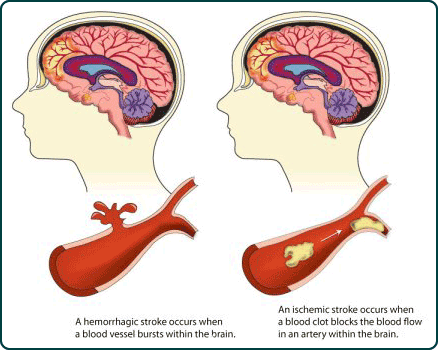
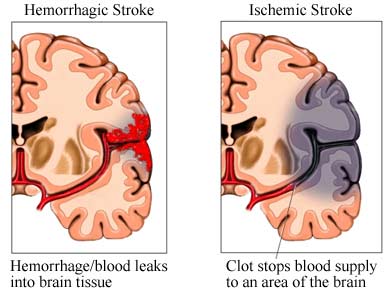
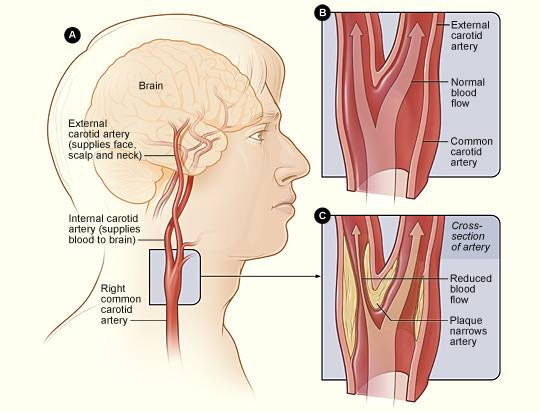
Ischaemic Stroke (Clot)
The most common type of stroke. Occurs when a blood vessel supplying the brain is blocked by a clot - either forming in the brain (thrombosis) or travelling from elsewhere in the body (embolism). An irregular heartbeat, such as atrial fibrillation, is a major risk factor.
Haemorrhagic Stroke (Bleeding)
Occurs when a blood vessel in the brain ruptures and bleeds, causing pressure and damage to surrounding tissue. Often caused by an aneurysm or an arteriovenous malformation (AVM). These strokes tend to have higher disability and mortality rates.
Transient Ischaemic Attack (TIA or "Mini-Stroke")
Stroke-like symptoms that resolve within a short time. There is no permanent brain damage, but it is still a medical emergency - often a warning sign of a future major stroke requiring immediate attention.
Brainstem & Cryptogenic Stroke
A brainstem stroke affects breathing, blood pressure, and consciousness and may result in locked-in syndrome. A cryptogenic stroke is one where no clear cause is identified despite testing.
Common Effects of Stroke
Stroke affects everyone differently
- Weakness or paralysis of the face, arm, or leg (usually one side)
- Difficulty speaking or understanding language
- Swallowing difficulties
- Loss of bladder or bowel control
- Sensory changes or numbness
- Vision loss on one side
- Memory and concentration problems
- Emotional changes - depression, anxiety, irritability
- Severe headaches
- Ongoing fatigue
- Chronic nerve pain
- Changes in thinking or coordination (apraxia, dyspraxia, aphasia)
Recovering from a stroke
Recovery after a stroke is individual and ongoing. It is not measured in days or weeks, but in progress over time. Recovery depends on your general health and age, the type and location of the stroke, how quickly treatment was received, access to rehabilitation, and emotional wellbeing and support networks. Recovery can continue for months or years - there is no time limit on improvement.
The Role of the Multidisciplinary Team (MDT)
Stroke recovery is best supported by a Multidisciplinary Team - a group of professionals who work together to address the many effects of stroke.
Oversees medical care, medication, and monitors risk factors.
Improves movement, strength, balance, and mobility.
Focuses on daily living skills and regaining independence.
Supports communication and swallowing difficulties.
Supports emotional adjustment, anxiety, and coping.
Nutrition guidance plus access to community and social services.
Caregivers and family are a vital part of the MDT - they provide daily support, reinforce therapy at home, and also need care, information, and respite.
Stroke Myths vs Facts
Challenging harmful misconceptions
Myth: Stroke happens because of bewitchment or spiritual causes
Fact: Stroke is a medical condition that affects the brain and blood vessels. Medical treatment is essential to reduce harm and save lives.
Myth: Only older people have strokes
Fact: Stroke can affect people of all ages, including young adults, children, and even babies before birth.
Myth: Stroke happens in the heart
Fact: Stroke happens in the brain - a stroke is a brain injury.
Myth: Recovery only happens in the first few months
Fact: Recovery can continue for many years thanks to neuroplasticity.
Preventing Stroke
An estimated 80% of strokes are preventable
The World Stroke Organization estimates that 1 in 4 people will experience a stroke in their lifetime. Globally, a stroke occurs approximately every three seconds. You can reduce your risk by:
- Eating a balanced diet and maintaining a healthy weight
- Exercising regularly
- Managing blood pressure and cholesterol
- Limiting alcohol and not smoking
- Managing diabetes or atrial fibrillation
- Taking prescribed medication as directed
Data & Estimation Note: Verified national data on daily stroke incidence is not available from Stats SA. Based on lived experience, regional data, and international trends, SSF unofficially estimates that approximately 500 strokes occur each day in South Africa - highlighting the urgent need for improved surveillance, prevention, and access to care.
In an emergency

A survivor-led South African NPO providing post-discharge stroke support: community-based peer support, caregiver education, and digital platforms that expand access beyond geography.